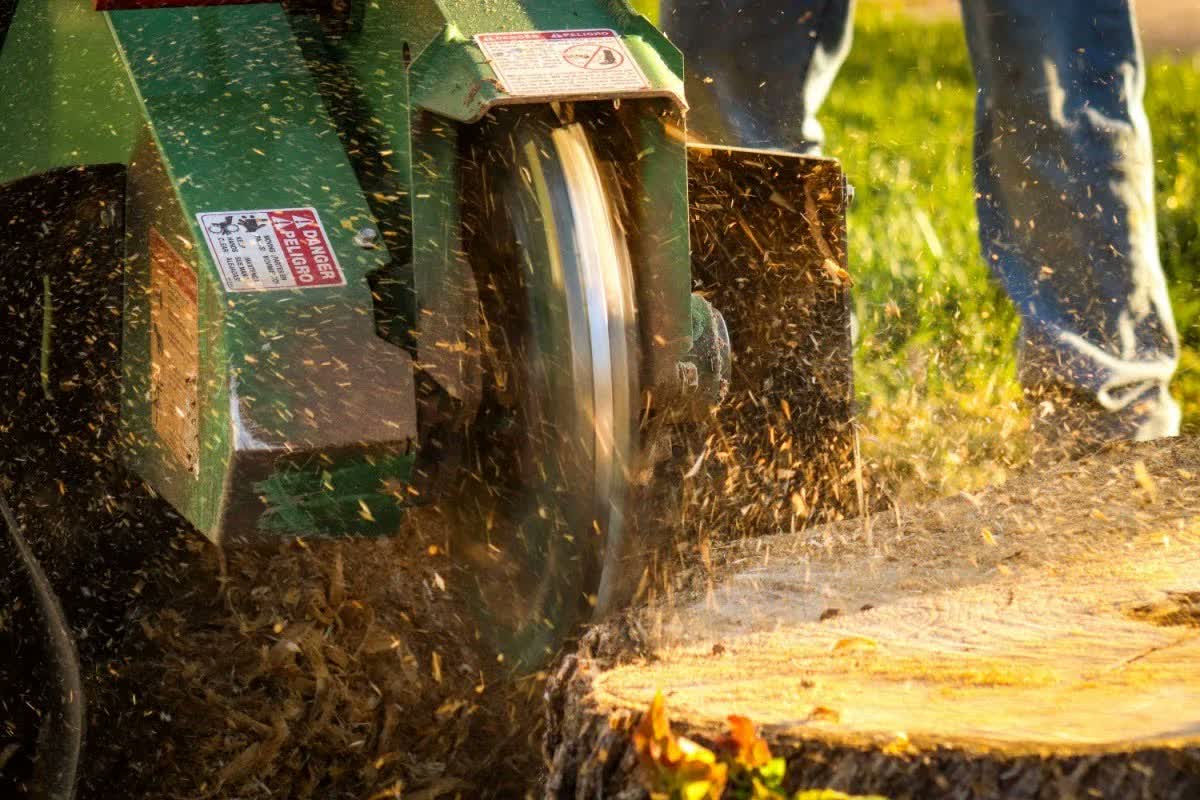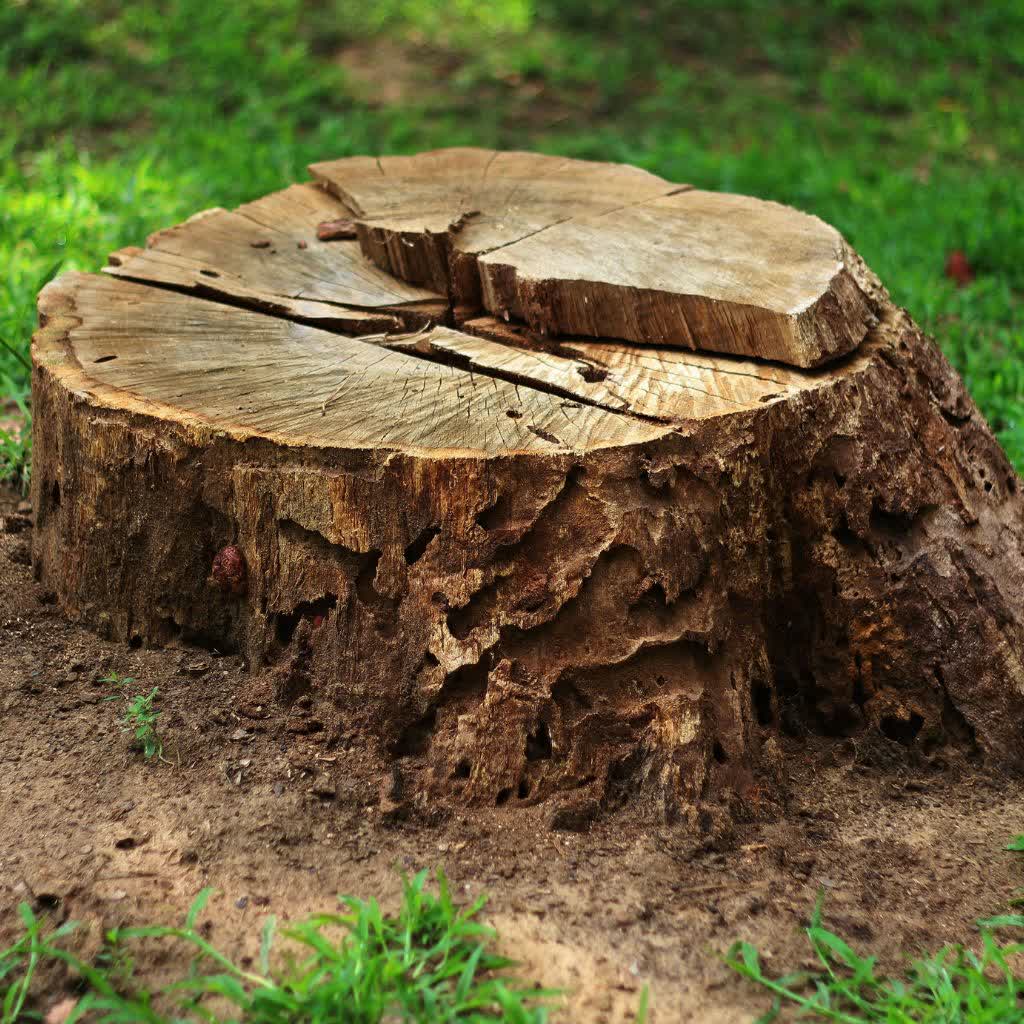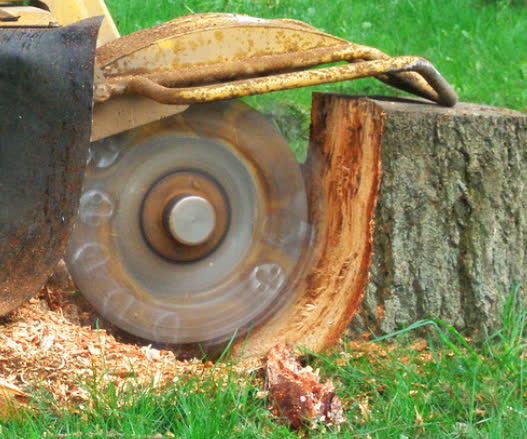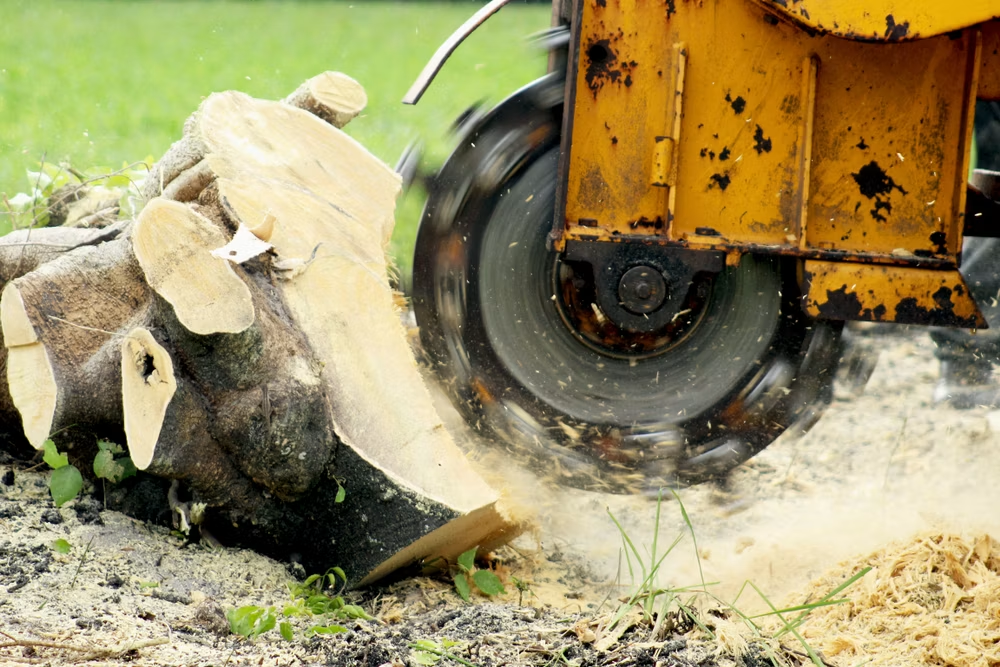
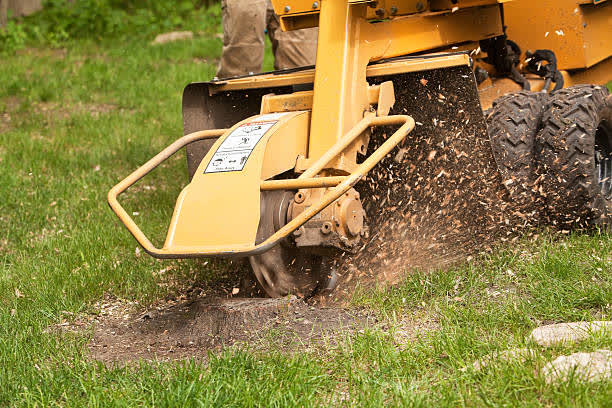
After a stump is ground, you are left with a mound of material where the stump used to be. Whether to keep it, spread it, or move it out of the yard depends entirely on what you want that spot to look like next. Here is how to think about it before you pick up a shovel.
Why one stump creates more material than expected
It is normal to be surprised by the volume. A single medium-sized stump can create several wheelbarrows worth of material, because the pile is not just the visible stump, it is the root flare, any surface roots that were ground, and some soil mixed in from the work area.
What the chip pile contains
Stump grindings are not the same as clean commercial mulch. The pile is a mix of wood chips, bark, small root pieces, and soil. That mix is fine for many uses, but it does not behave identically to bagged mulch from a garden center.
When leaving the chips makes sense
If the area will not be used for lawn or hardscape, leaving the pile in place is the simplest option. The mound will settle and shrink noticeably over the first year and continues to break down after that. In natural areas, along fence lines, or in unused corners of a property, this is often the best plan.
When spreading the chips makes sense
Spreading the pile out into a wider, shallower layer helps it dry, decompose faster, and blend into the landscape. Around established trees, in natural areas, or across the back of a bed, this is a fast way to make use of the material without hauling anything off.
Using chips in natural areas
Stump chips work well in wild areas of a yard or ranch, cedar breaks, back fence lines, drainage swales, or paths through a wooded lot. The material suppresses weeds, holds moisture, and slowly returns to the soil.
Using chips around flowerbeds or paths
Because stump chips contain soil and root pieces, they are less uniform than store-bought mulch. In a formal front bed, that may or may not be the look you want. In a working garden or a casual path, it is often fine.
When chips should be removed before growing grass
For grass to establish, the chip pile needs to come down and be replaced with topsoil. Grass will not root well into raw wood, and the pile also dries out too quickly to keep new seed or sod alive. Removing most of the pile before planting is the practical answer.
Chip mounding
Mounding the chips into a neat pile over the hole is the default cleanup and is included in most stump grinding work. It looks tidier than a scattered mess and gives the homeowner a clear starting point if they want to do anything else later.
Hauling options
Hauling excess material off the property is available when it is written into the estimate ahead of time. It adds time and disposal work to the job, which is why it is a separate scope. If cleanup matters to you, mention it during the estimate so it can be built into the plan up front.
Nearby buildings and pest concerns
A neat, shallow layer of chips a comfortable distance from the house is generally low-concern. Piling chips directly against siding, fence bases, or wood structures is not ideal because it holds moisture against wood that would otherwise stay dry. Common sense clearance is enough for most residential situations.
What happens as chips decompose
Over the first year, the pile shrinks noticeably. Over two to three years, most of it has become soil-like material. In dry conditions the process is slower, and in irrigated lawns it is faster.
Decision guide
Future lawn: remove most of the pile, backfill with topsoil, then seed or sod.
Flowerbed: leave the pile as a base layer, top with clean mulch if you want a finished look.
Natural area: leave in place or spread thin.
Fence installation: remove the pile, dig posts as normal after adequate depth grinding.
Pavers or hardscape: remove the pile, follow the builder's base spec.
Construction: remove the pile, coordinate depth with the contractor.
Leaving the area unused: leave the pile in place and let time do the rest.
Mention hauling on the estimate so it is scoped in from the start.
Quick FAQs
Is hauling included in the standard price?
Not by default. Hauling chips or bringing in soil is a separate scope and should be listed on the estimate before the work begins.
Can I use the chips as mulch in my beds?
In many cases yes, especially in natural or casual areas. Just know that stump chips are less uniform than bagged mulch because they contain some soil and root material.
How long before the pile flattens out?
The pile shrinks significantly during the first year and continues to break down over the following couple of years.
Will the chips attract bugs?
Wood chips on the surface are usually not a strong attractant on their own. Any pest concerns are more closely tied to moisture, wood contact with structures, and existing activity in the area.