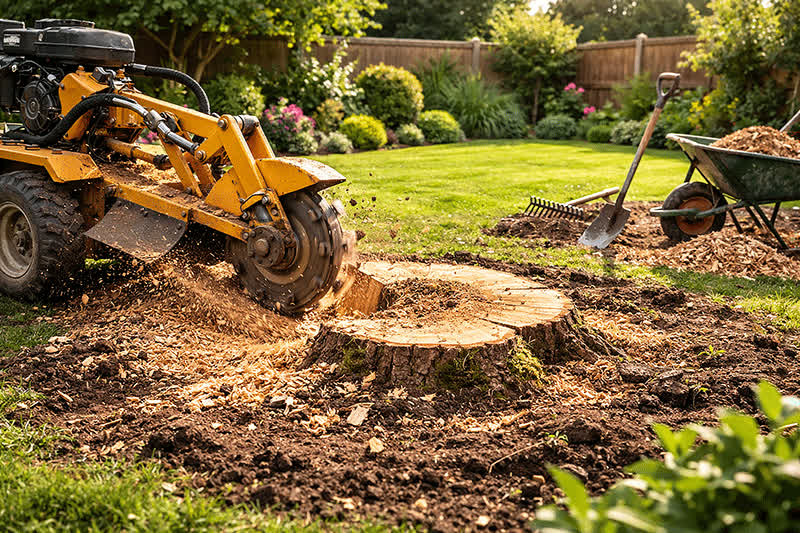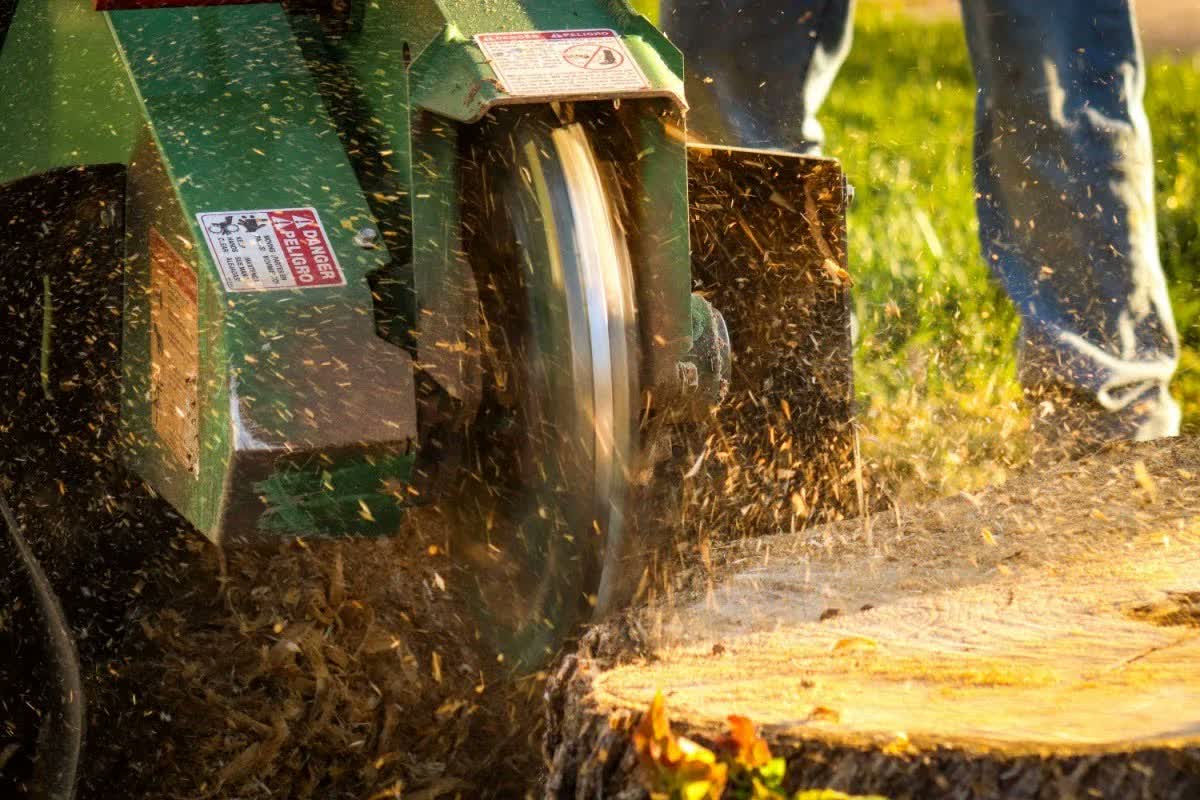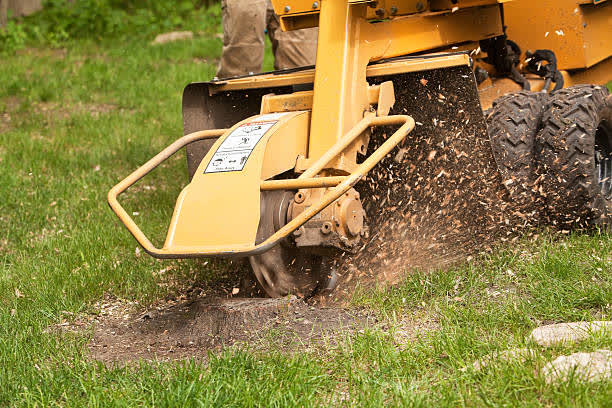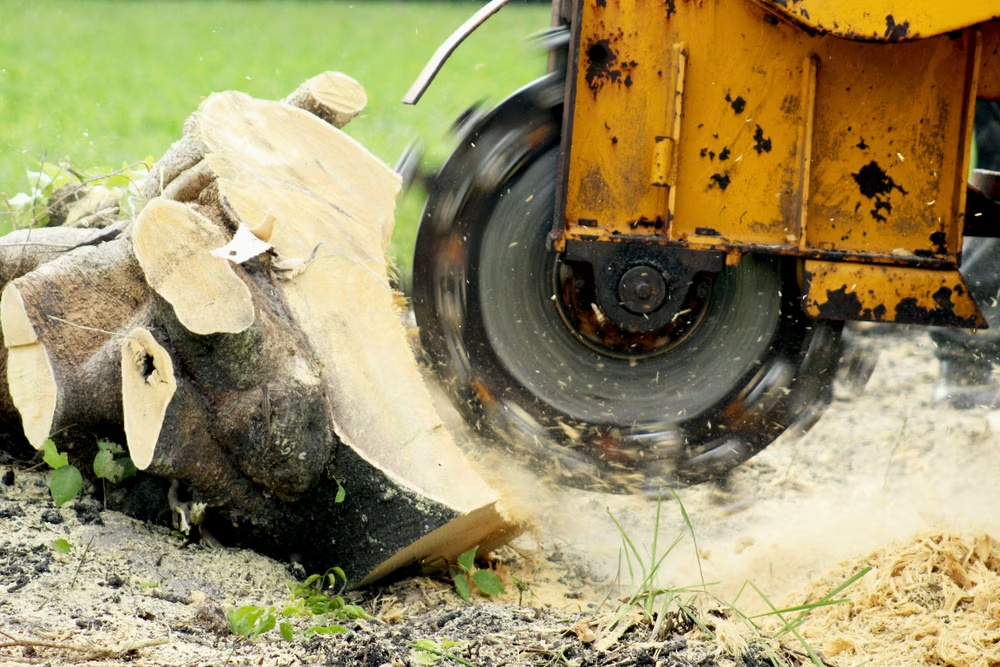
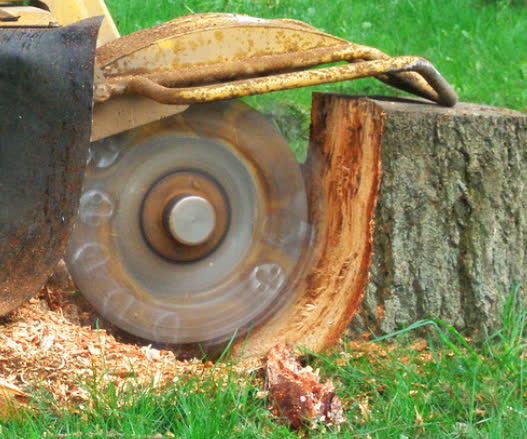
Grinding depth is one of the most important decisions on any stump job, and it is one homeowners often do not realize they are making. There is no single correct depth for every project. The right number depends on what will happen with the area next, grass, mulch, a fence, a patio, a new tree, or nothing at all. A short conversation before the machine starts saves time, money, and future headaches.
Why grinding depth matters
Depth controls what you can do with the area afterward. Too shallow and the stump is still in the way for landscaping or construction. Too deep and you are paying for time and chip volume you did not need. The correct depth is a specific answer for a specific purpose.
It also affects how much material the crew hauls away or leaves behind, how much soil you will need to backfill, and how the area will settle over the next year.
What "below grade" means
Grade is the level of the soil around the stump. Grinding depth is measured from that surface down. So a request for six inches below grade means the finished bottom of the grind sits six inches lower than the surrounding ground, not six inches below the top of the stump.
That distinction matters, because a tall stump that gets ground flush is not below grade at all, it is at grade. Anything meaningful about lawn, landscaping, or construction requires depth beneath the surrounding soil.
Typical residential lawn projects
For most residential lawns, several inches below grade is what homeowners are looking for. That is deep enough to be out of sight, deep enough to bring in topsoil and grass, and shallow enough to be cost-effective. The specific number depends on the stump, the flare, and what the ground will be used for.
Grinding for grass or sod
If you plan to grow grass or lay sod, you want the grind deep enough to allow a real layer of topsoil over the top. Grass cannot root into a mat of raw wood chips. Somewhere in the range of several inches below grade, combined with removing most of the chips and adding clean soil, gives the lawn a real chance to establish.
Grinding for flowerbeds
For flowerbeds, a moderate depth is usually plenty because the area will be topped with mulch anyway. The bigger issue is often clearing surface roots so that new plantings have a place to sit without wrestling with old wood.
Grinding near fences
If a fence post will go where a stump used to be, plan on a deeper grind. Post holes need soil that a post-hole digger can actually work through. Roots and old wood at that depth will fight the digger every inch of the way.
Grinding near driveways, sidewalks, patios, or retaining walls
Around hardscape, depth matters for two reasons. First, the wheel needs enough clearance from the edge to work without contacting the concrete or stone. Second, any settling that happens as wood chips decompose can pull the hardscape edge down with it. A little more depth combined with proper backfill reduces that risk.
Pavers, concrete, or construction
Stump grinding alone is not the same thing as excavation. If a slab, footing, or paver base is going where the stump used to be, the builder's specifications drive the depth, not the grinder. In many of those cases the grind gets the material low enough that the builder can then excavate cleanly, but the two scopes are separate.
Tell the crew what is going in on top of the area before they start. It changes the depth spec and sometimes the entire approach.
Replanting another tree
Planting a new tree in the exact former location is possible, but it takes more planning than most homeowners expect. Decomposing wood and old roots still occupy a big share of the soil column for years. A deeper grind, plus excavation and fresh soil, is usually needed to give the new tree a fair start.
In many cases, shifting the new tree several feet away from the old stump is the easier path.
Root flare and surface roots
The root flare almost always adds to the work area. Surface roots running out from the trunk can be ground down as part of the job if they will interfere with the finished area. Both add time, both add chip volume, and both belong on the estimate so nothing is a surprise.
Soil settlement
Wherever wood is in the ground, the soil above it will settle as that wood decomposes. That is normal. Adding clean topsoil, tamping it lightly, and expecting to top-dress once or twice over the following year keeps the area level.
Limestone and exposed rock
In the Hill Country, rock sometimes decides the depth for you. If limestone sits shallow at your site, the wheel can only go so far before hitting stone. That is not a failure, it is the geology of Kerr County. The estimator will explain what depth is realistic based on the ground.
How grinding depth affects chip volume, time, and cost
Deeper grinding means more passes, more chips, more time on the machine, and a bigger cleanup. That translates directly into cost. If you truly do not need extra depth, do not pay for it. If you do need it, for a slab, a replant, or a serious landscape project, the modest cost bump is much cheaper than redoing the work later.
Questions to discuss before work begins
What will happen with this area after the grind? Do you want grass, mulch, a bed, a fence, a patio, a new tree, or nothing? Are there utilities nearby that limit depth? Is there anything you already know about the soil, such as rock or old fill? These questions guide the depth spec.
Tell us what you plan to do with the area afterward and we will spec the depth on the estimate.
Quick FAQs
Is there a standard depth every crew uses?
Not really. Several inches below grade is common for a residential lawn, but the correct depth depends on what will happen with the area afterward.
Can you grind extra deep for a slab?
Yes, within the limits of the machine and the site. If rock or utilities restrict the depth, the estimator will explain that ahead of time.
Will grinding deeper stop the tree from coming back?
For most Hill Country hardwoods, the standard residential depth is enough. Extra depth is about what you are building on top, not about regrowth.
How do I check the depth after the crew leaves?
Scoop chips out of the hole with a shovel until you hit ground. The bottom of the hole is the true grind depth, not the top of the chip pile.